
Is Your Pet’s Toy Actually Safe? What Every Owner Should Know
Pet toy safety is something thousands of pet owners overlook — until something goes wrong. According to the American Veterinary Medical Association, thousands of pets are treated every year for injuries and illnesses caused by unsafe or poorly designed toys.
Before diving deeper, here’s a quick answer to help you evaluate any toy right now:
A pet toy is safe when it:
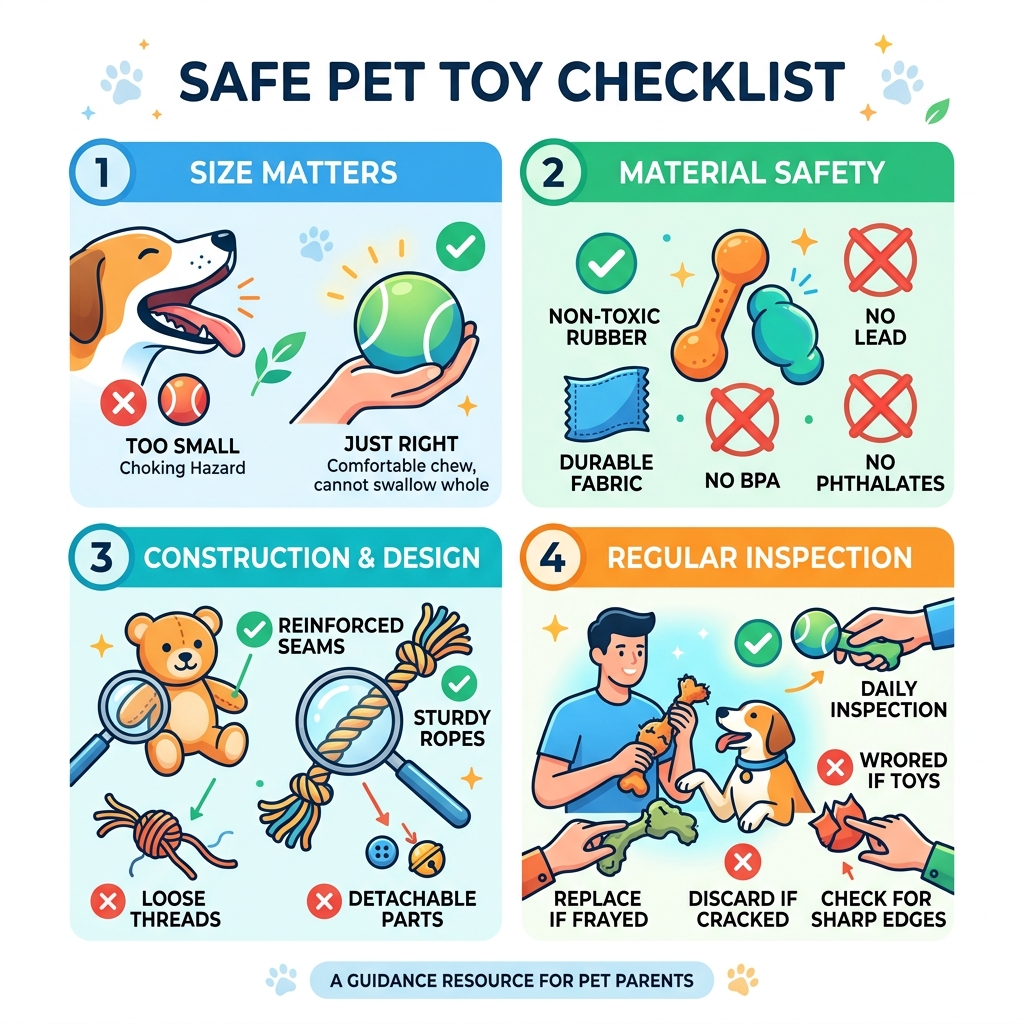
- Is the right size for your pet (too large to swallow whole, small enough to chew comfortably)
- Is made from non-toxic, durable materials free of lead, BPA, and phthalates
- Has no small detachable parts like buttons, bells, or squeakers that can be chewed off
- Does not splinter, fray, or break into sharp pieces during normal play
- Has no loose strings, ribbons, or fabric strands that could be swallowed
Quick safety test: Press your thumbnail firmly into a chew toy. If you can’t make a dent, it’s too hard for your dog’s teeth.
Whether it’s a dog proudly carrying a squeaky ball or a cat stalking a feather wand, playtime is genuinely essential — not just fun. Safe toys support physical health, emotional well-being, and the bond between you and your pet. But the toy market is largely unregulated, and some products on store shelves contain hidden hazards that aren’t obvious from the packaging.
This guide walks you through exactly what to look for, what to avoid, and how to keep playtime safe.
Why Pet Toy Safety is a Critical Concern for Owners
As pet parents, we often assume that if a product is on a store shelf, it must be safe. Unfortunately, the reality of the pet industry is a bit more complicated. Unlike toys designed for children, pet products are not subject to the same stringent federal safety regulations. This regulatory gap means that the responsibility of identifying Hidden Hazards: A Guide To The Potential Dangers Of Pet Toys falls squarely on our shoulders.
The stakes are high. Every year, thousands of pets end up in emergency clinics due to toy-related incidents. These range from minor dental chips to life-threatening surgeries. Some of the most common critical concerns include:
- Choking Hazards: Small toys or pieces that break off can easily lodge in a pet’s throat.
- Gastrointestinal (GI) Obstructions: This is perhaps the most common “toy injury.” When a pet swallows stuffing, squeakers, or chunks of rubber, these items can get stuck in the stomach or intestines, requiring expensive and invasive surgery.
- Dental Fractures: Many owners buy “indestructible” toys that are actually harder than a dog’s tooth enamel. This leads to painful fractures and root canals.
- Linear Foreign Bodies: This is a specific danger often associated with cats or dogs that eat rope toys. A single long strand of string or thread can “accordion” the intestines, leading to perforations.
Beyond the physical pain our pets endure, the financial burden is significant. Emergency surgeries for intestinal blockages can easily cost thousands of dollars. We believe that a proactive approach to category/pet-safety-tips/ is the best way to ensure your pet lives a long, joyful life without unnecessary trips to the ER. Vigilance isn’t about being paranoid; it’s about being an informed advocate for your furry family member.
Identifying Toxic Materials and Hazardous Components
When we talk about pet toy safety, we aren’t just looking at whether a toy can be swallowed. We also have to look at what that toy is made of. Because there are no specific rules about which chemicals can be used in pet toys, many low-cost products contain substances that would be banned in a toddler’s nursery.
According to Toy or toxin: How to identify safe products for pets, several common chemicals found in pet toys can lead to long-term health issues:
- Lead: Often found in the paint or ink used on cheap toys. Lead poisoning is particularly dangerous for young animals and can cause neurological damage.
- BPA and Phthalates: These are chemical additives used to make plastics soft and pliable. Research has shown that BPA can upset the canine endocrine system, potentially disrupting a dog’s metabolism and hormonal balance.
- Heavy Metals (Chromium and Cadmium): Some tests have found elevated levels of these metals in toys imported from regions with lower manufacturing standards. Cadmium, in particular, is a known carcinogen.
- Formaldehyde: This is sometimes used in the processing of rawhide or certain fabric toys, which can be irritating or toxic if ingested in large quantities.
At Vanguarda Tec, we advocate for transparency. If you are making your own toys, always prioritize non-toxic-materials-for-pet-diy-toys/ like organic cotton or hemp. When choosing adhesives, ensure you are using pet-safe-glue-and-fabric-choices/ to avoid accidental poisoning during play.
A good rule of thumb: if a toy has a strong, “chemical” or “plastic” smell, it’s likely off-gassing phthalates. Opt for toys made from natural rubber or those labeled as “food-grade” or “BPA-free.”
Assessing Durability: The Thumbnail Test and Chew Toy Selection
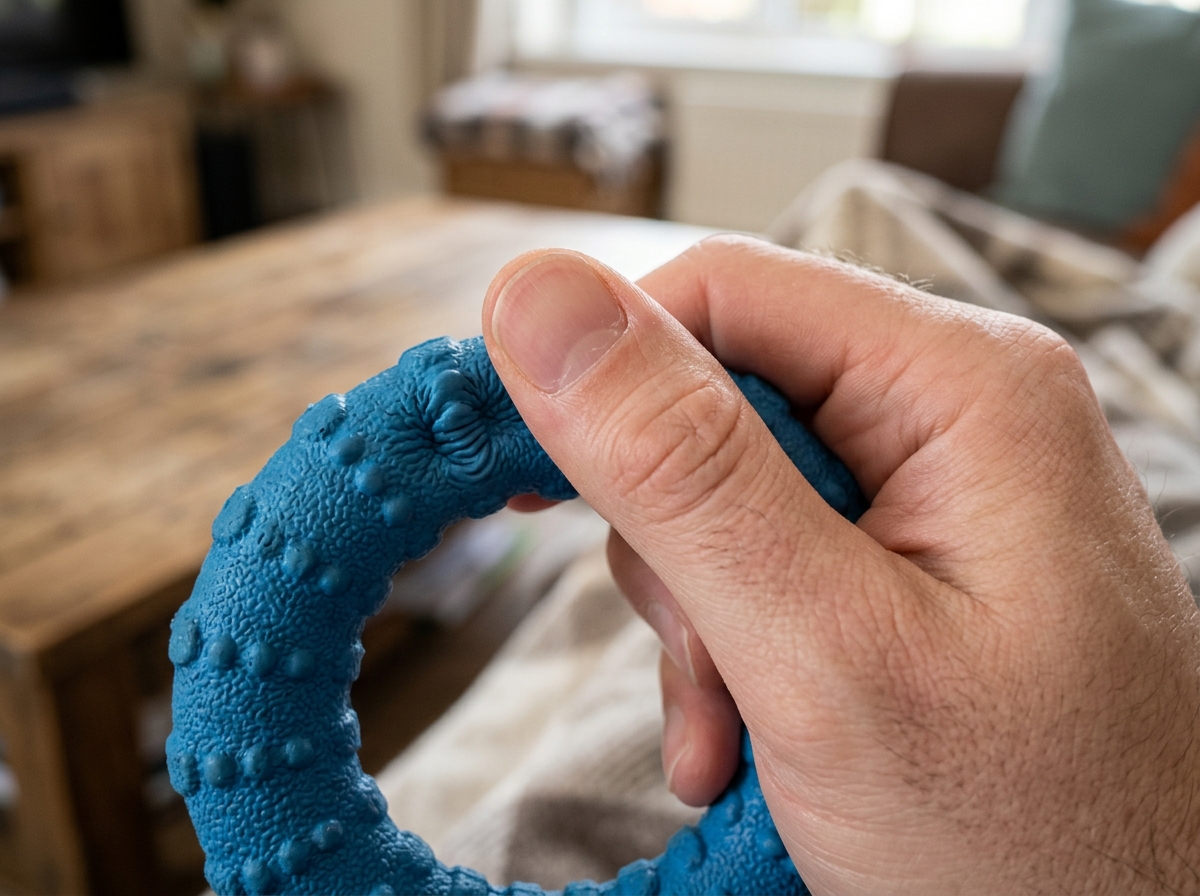
One of the most misunderstood aspects of pet toy safety is the “indestructible” toy. While we all want a toy that lasts more than five minutes, a toy that is too durable can be dangerous.
The “Thumbnail Test” is a veterinarian-approved method for checking hardness. Take your thumbnail and press it firmly into the toy. If the material gives slightly and you leave a small indentation, the toy is likely safe for your dog’s teeth. If your nail can’t make a dent, the toy is harder than their teeth and could cause a fracture.
When selecting chew toys, we must match the material to the dog’s jaw strength:
| Material | Best For | Risks |
|---|---|---|
| Natural Rubber | Most chewers; provides “give” while being tough. | Can be torn by “power chewers.” |
| Hard Nylon | Very aggressive chewers. | Can splinter or cause gum bleeding. |
| Soft Latex | Puppies and senior dogs. | Easily destroyed and swallowed. |
| Rope | Interactive tugging. | Fraying strands cause GI blockages. |
We also need to address the dangers of “natural” chews. Cooked bones are a major “no-no” in pet safety. Once cooked, bones become brittle and splinter into shards that can perforate the digestive tract. Similarly, rawhide is a controversial choice; it can swell in the stomach and cause obstructions, and many varieties are processed with harsh chemicals.
If you are a DIY enthusiast, ensuring-durability-in-homemade-toys/ is about more than just using thick fabric. You need to know how-to-test-homemade-dog-toys/ by simulating the tugging and chewing your pet will do before you hand the toy over.
Navigating Risks in Common Toy Categories
Every category of toy has its own unique set of risks. By understanding these, we can choose the right version for our pet’s personality.
Squeaky Toys
The “squeaker” inside a toy is often the target for dogs with a high prey drive. They want to “kill” the squeak. Once the fabric is breached, that small plastic squeaker becomes a prime choking hazard. If your dog is a “destroyer,” look for toys with “silent squeakers” (ultrasonic) or those made of heavy-duty rubber where the squeaker is molded into the material.
Rope Toys
Ropes are great for tug-of-war, but they are dangerous for “shredders.” When a dog swallows individual cotton strands, it can lead to a linear foreign body obstruction. This is a life-threatening condition where the rope acts like a saw against the intestinal walls. Always discard rope toys as soon as they start to fray.
Plush and Stuffed Toys
Soft toys are often comfort items, but the stuffing inside (polystyrene beads or polyester fiberfill) is not meant to be eaten. If you make your own, use safe-stuffing-for-plush-pet-toys/ and avoid any small plastic eyes or buttons. For cat owners, avoiding-choking-hazards-in-diy-cat-toys/ means skipping the feathers and bells that can be easily chewed off.
Tennis Balls
Believe it or not, the “fuzz” on a tennis ball is actually quite abrasive. For dogs that constantly chew on them, it can act like sandpaper, wearing down their tooth enamel over time. Furthermore, a determined dog can pop a tennis ball and swallow the halves, leading to a blockage.
Understanding Pet Toy Safety for Different Play Styles
Not every toy is right for every life stage. Here is how we break it down:
- Teething Puppies: Puppies need toys that are durable but have enough “give” to soothe sore gums. We recommend choosing-materials-for-puppy-toys/ like soft rubber or frozen washcloths. Avoid hard nylon until their adult teeth are fully in.
- Senior Pets: Older dogs often have dental disease or brittle teeth. They benefit from softer rubber toys or plush toys that are easy on the mouth.
- Aggressive Chewers: These pets need toys specifically designed for power chewing. Look for “extreme” rubber varieties and avoid anything with small parts.
- High Prey Drive: These pets love “hunty” games. Puzzle toys and flirt poles are excellent, but they must be used under strict supervision to ensure the pet doesn’t try to eat the “prey.”
Best Practices for Supervision and Maintenance
The most important safety tool you have is your own eyes. No toy is truly “indestructible” if given enough time and a determined dog.
According to Toy Safety | CPSC.gov, while federal standards for pets are lax, we can apply the same logic used for children’s toys to our pets. This includes:
- Regular Inspection: Once a week, do a “toy audit.” Look for cracks in rubber, loose seams in plush toys, or fraying on ropes. If you see a hole where stuffing is leaking out, take it away immediately.
- Toy Rotation: Don’t leave every toy out at once. This leads to boredom and increases the chance of a pet “obsessing” over and destroying a single item. Keep two or three out and swap them weekly.
- Cleaning Protocols: Toys harbor bacteria, especially those used with treats. Wash hard rubber toys in the dishwasher (if labeled safe) and launder plush toys in a pet-safe detergent.
- Safe Construction: If you are sewing your own toys, follow safe-sewing-tips-for-pet-toys/ by using heavy-duty thread and reinforced seams.
- Multi-Pet Households: Be careful if you have pets of different sizes. A toy that is safe for a Great Dane might be fine, but a toy safe for a Chihuahua could be a choking hazard for the larger dog. Always store “size-specific” toys in areas where only the intended pet can reach them.
Frequently Asked Questions about Pet Toy Safety
What makes a pet toy safe?
A safe toy is a combination of the right size, non-toxic materials, and durable construction. It should be large enough that it cannot be swallowed whole but small enough for the pet to carry comfortably. Look for toys labeled “non-toxic” and perform the thumbnail test to ensure the material is flexible enough to protect their teeth.
When should I consult a veterinarian regarding a toy?
You should contact your vet immediately if you suspect your pet has ingested any part of a toy, even if they aren’t showing symptoms yet. Early intervention can prevent a “wait and see” situation from becoming a surgical emergency. Watch for:
- Persistent vomiting or gagging
- Loss of appetite
- Lethargy or hiding
- Changes in bowel movements (straining or diarrhea)
- Bleeding from the gums or broken teeth
How do pet toy regulations compare to children’s toys?
There is a massive gap. Children’s toys must meet the ASTM F963 standard, which includes strict testing for lead, flammability, and small parts. Pet toys have no such federal requirement in the U.S. While some reputable manufacturers voluntarily follow these standards, many do not. This is why researching the manufacturer and looking for transparency in their material sourcing is vital for consumers.
Conclusion
At Vanguarda Tec, we believe that every pet deserves the joy of play, but they also deserve to be protected. The world of pet toy safety can feel overwhelming, but by staying vigilant and choosing quality over quantity, you can provide a safe environment for your furry friends.
One of the best ways to ensure safety is to take control of the manufacturing process yourself. DIY pet toys allow you to select the exact fabrics, stuffings, and sizes that fit your pet’s specific needs while saving money compared to high-end store brands. Whether you’re crafting a custom plushie or testing a new rubber chew, your involvement is the ultimate safety certification.
For more guides on how to protect your pet and create the perfect play experience, check out our More info about pet safety guides. Happy (and safe) playing!
