
Your Crafting Hobby Can Do More Than You Think
Craft and donate toys is one of the most meaningful things a maker can do with their skills — and it’s simpler than most people realize.
Here’s a quick overview of how to get started:
- Choose what to make – Handmade dolls, blankets, sensory toys, or comfort items are commonly needed
- Pick the right recipient – Children’s hospitals, animal shelters, domestic violence shelters, and global aid organizations all accept crafted donations
- Follow safety guidelines – Use new, latex-free, washable materials and avoid small parts, glitter, or scented products
- Contact before you send – Always check with the organization first, as acceptance rules vary widely
- Drop off or ship – Many organizations accept mail-in donations; some offer scheduled drop-offs
Every stitch you make has the potential to reach a child in a hospital bed, a shelter, or a refugee camp. Organizations like Project Linus have been collecting handmade blankets since 1995. Dolls of Hope has sent over 120,000 handmade bears and dolls to children in 53 countries. A group called Hobby Crafters has been building and giving away handmade wooden toys every single year since 1944 — all volunteers, no paid staff.
The impact is real. And your hobby is the starting point.
Whether you sew, knit, crochet, woodwork, or craft in any other way, there is almost certainly an organization that needs exactly what you make — for children and animals alike.

The Impact of Handmade Joy: Why You Should Craft and Donate Toys
When we sit down with our knitting needles or sewing machines, we aren’t just making “stuff.” We are creating a bridge of empathy. For a child facing a scary medical procedure or a family in a domestic violence shelter, a handmade item is a tangible reminder that a stranger cared enough to spend hours making something just for them.
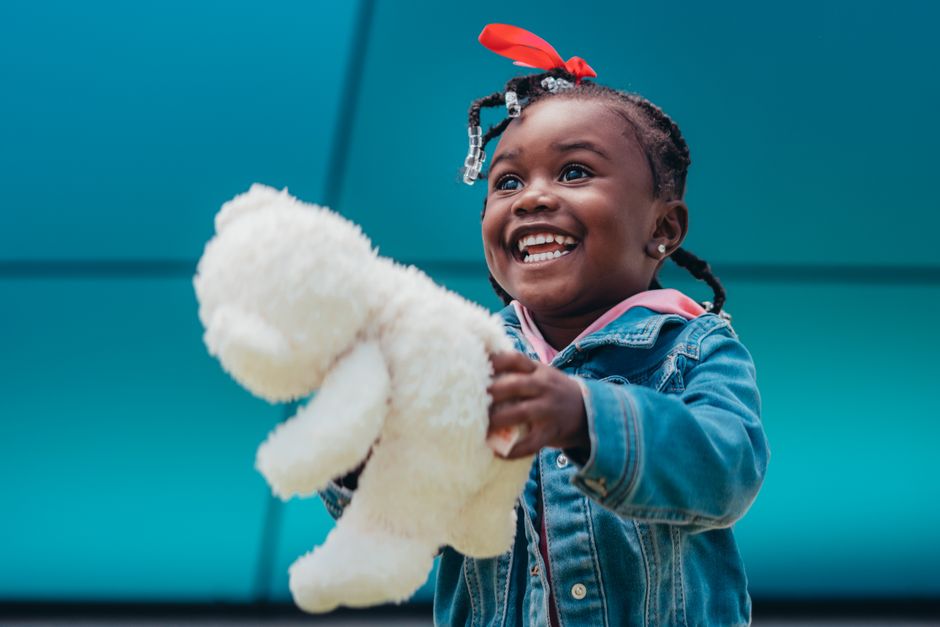
Handmade toys offer a level of personalized comfort that mass-produced plastic simply cannot match. While a store-bought toy is a distraction, a handmade doll or blanket is a companion. Research into emotional resilience shows that “transitional objects”—like a soft bear—can help children regulate their emotions during traumatic events.
| Feature | Store-Bought Donation | Handmade Donation |
|---|---|---|
| Tactile Experience | Often hard plastic or synthetic | Soft, varied textures (fleece, cotton, minky) |
| Emotional Connection | Generic | Personal; child “feels the love” invested |
| Uniqueness | Identical to thousands of others | One-of-a-kind |
| Sustainability | Often involves heavy packaging | Can utilize recycled or upcycled materials |
Making a Difference with Every Stitch
The scale of the “craft and donate” movement is staggering. We’ve seen organizations like The Giving Doll distribute over 75,000 dolls since 2006. These aren’t just toys; they are tools for humanitarian aid. In refugee camps or areas hit by natural disasters, a handmade bear might be the only possession a child owns.
By dedicating our volunteer hours to crafting, we provide high-quality items to nonprofits that often have zero budget for toys. For example, some volunteer groups operate entirely without paid staff, ensuring that 100% of the funds they raise go directly toward materials and delivery.
Cost-Effective Ways to Craft and Donate Toys
You don’t need a massive budget to make a massive impact. Many of the most successful donation programs thrive on efficiency. At Hobby Crafters, for instance, a $20 donation is enough to fund the creation of approximately 15 wooden toys.
If you’re working from home, you can Stop Spending a Fortune on Toys with These Easy DIY Crafts by using what you already have. Upcycling clean, high-quality fabric scraps into “scrappy” bears or using recycled wood for simple cars are great ways to keep costs low while keeping your output high. Bulk crafting—cutting out ten doll patterns at once rather than one—also increases your efficiency, allowing you to help more children in less time.
Navigating Hospital Guidelines for Pediatric Donations
While our hearts are in the right place, we must remember that hospitals are unique environments. Children’s hospitals have incredibly strict donation policies, primarily centered on infection control. Because many young patients have severely weakened immune systems, a single speck of dust or a pet hair could pose a serious health risk.
Most major facilities, such as Texas Children’s Hospital, require all donated toys to be brand-new and in their original packaging. For those of us who craft and donate toys, this means our items must be made in smoke-free, pet-free environments and stored immediately in sealed bags.
Key Hospital Standards:
- Materials: Must be new, unused, and latex-free.
- Washability: Fabrics should be machine-washable.
- Detergents: Use only hypoallergenic, unscented detergents (like Dreft).
- No “Extras”: Avoid glitter, sequins, or beads, as these can fall off and become choking hazards or interfere with medical equipment.
Age-Appropriate Selections to Craft and Donate Toys
When we decide what to make, we should consider the specific needs of different age groups. Hospitals often report a surplus of toys for toddlers but a shortage for infants and teens.
- Infants (0-12 months): Focus on sensory items. High-contrast (black and white) patterns, soft rattles, and NICU-approved positioning aid covers are highly valued.
- School-Age (5-12 years): This group loves puzzles, dolls, and “Beads of Courage” bags.
- Teens (13+ years): Often overlooked, teens need items that help them feel like “normal” kids. Think advanced craft kits, high-quality fleece blankets in “cool” patterns, or handmade beanies.
Many hospitals, like St. Jude Children’s Research Hospital, maintain Amazon Wish Lists that specify exactly what they need at any given time. Checking these lists before you start your project ensures your hard work doesn’t go to waste.
Why Hospitals Have Strict Safety Policies
It might feel frustrating when a hospital declines a beautiful, gently-used toy, but the reason is always safety. Beyond infection, we have to worry about physical hazards. A loose button on a handmade doll is a choking hazard. We apply the same logic here as we do when Avoiding Choking Hazards in DIY Cat Toys; if it can be chewed off or pulled loose, it shouldn’t be there.
Where to Send Your Handcrafted Comfort Items
Knowing where to send your finished projects is just as important as the crafting itself. There are several avenues to explore, depending on what you’ve made.
Finding Local Organizations to Craft and Donate Toys
You don’t always have to ship your items across the country. Many local heroes are right in your backyard:
- Police and Fire Stations: Many departments keep “comfort bags” in their vehicles. A handmade teddy bear can be a lifesaver for a child being removed from a traumatic situation.
- Domestic Violence Shelters: These families often flee with nothing. New toys and handmade blankets help children feel safe in a new, unfamiliar environment.
- Local Libraries and 211: If you’re stuck, calling 211 (the universal number for essential community services) can connect you with local shelters or foster care agencies that need donations.
Specialized Programs for Serious Illness
Some organizations have very specific needs that cater to medical treatments:
- Beads of Courage: This program uses glass beads to represent treatment milestones. Crafters are needed to sew Beads of Courage bags so children have a special place to keep their “courage” beads.
- NICU Positioning Aids: Premature babies need specialized support to help them feel secure in their incubators. Hospitals often provide specific patterns for these covers.
- G-Tube Pads: For children with feeding tubes, small, soft, absorbent pads can prevent skin irritation and friction around the stoma.
Preparing Your Creations: Safety and Quality Standards
Quality control is the hallmark of a great donor. Before you pack up your items, perform a “stress test.” Pull on the limbs of your dolls, check every seam, and ensure there are no loose threads.
Material Safety
Always prioritize Non-Toxic Materials for Pet DIY Toys and children’s toys alike. This means avoiding lead-based paints on wooden toys and ensuring all fabrics are “new” (not reclaimed from old clothing) when donating to hospitals. Using Safe Sewing Tips for Pet Toys—like backstitching at the beginning and end of every seam—is a great habit to ensure the toy stays together even with heavy use.
Cleaning and Packaging Requirements
Once the item is finished, the preparation for shipping begins:
- Clean: If the organization allows, wash the item in hypoallergenic detergent.
- Inspect: Use a lint roller to remove any stray threads or fibers.
- Package: Place each item in an individual, unscented, clear plastic bag. This keeps the item clean during transit and storage.
- Label: Include a small note stating the materials used (e.g., “100% Cotton, Polyester Fill”) so the charity can manage allergy risks.
For items like blankets or large plushies, vacuum sealing can significantly reduce shipping costs, allowing you to send more items for the same price.
Common Items Generally Not Accepted
To save yourself time and the charity’s resources, avoid donating:
- Used Stuffed Animals: Most charities cannot accept these due to hygiene and bedbug risks.
- Toys with Religious or Political Themes: Charities aim to be inclusive to all children.
- Glass or Fragile Components: These are safety risks in play areas.
- Scented Products: Many children in hospitals have extreme sensitivities to perfumes or “scented” toys.
Extending Your Reach: Crafting for Animal Shelters
If you find that hospital guidelines are too restrictive for your current setup, consider the furry residents of your local shelter! Animal shelters have a constant need for behavioral enrichment items to keep pets happy and adoptable.
You can use your skills to Create DIY Dog Toys at Home or practice Making Cat Toys from Household Items. Shelters are often more flexible with materials, allowing you to use clean, recycled t-shirts to braid into tug toys.
We love teaching people How to Make Stuffed Animal Toys for Pets because it’s a fantastic way to practice your sewing skills while giving a lonely dog something to snuggle with. Just remember, whether it’s for a child or a pup, Ensuring Durability in Homemade Toys is the key to a successful donation.
Frequently Asked Questions about Toy Donations
Can I donate gently used handmade toys?
Generally, no. Most organizations that work with children, especially hospitals and foster care agencies, require items to be brand-new for health and safety reasons. However, animal shelters or some local community organizations might accept them if they are in “like-new” condition and have been thoroughly sanitized. Always call first!
What are the most needed items for hospitalized teens?
Teens are often the most underserved group in toy drives. They highly value:
- Comfort items: High-quality fleece blankets and pillowcases.
- Engagement: Advanced craft kits (like embroidery or model building), journals, and “adult” coloring books with nice colored pencils.
- Gift Cards: Amazon, Target, or gaming gift cards allow them to choose something they actually want.
How do I ensure my handmade toy is safe for a child?
Follow the “Three S” rule: Size, Seams, and Stuffing.
- Size: Ensure no parts are small enough to fit through a toilet paper roll (a standard measure for choking hazards).
- Seams: Use a small stitch length and reinforced seams.
- Stuffing: Use only high-quality, new polyester fiberfill that is hypoallergenic.
Conclusion
At Vanguarda Tec, we believe that the act of making is a gift in itself, but sharing that gift with someone in need elevates the craft to something truly special. Whether you are sewing a doll for a child in a hospital or braiding a rope toy for a shelter dog, you are contributing to a global community of kindness.
If you’re ready to start your next project, explore our Category: DIY Toys for inspiration. From A Complete Guide to Homemade Pet Toys to advanced sewing tutorials, we have the resources to help you create something beautiful.
Craft and donate toys today—your hobby has the power to change a life, one stitch at a time.
